"And while her movements on stage are kept to a minimum, she floats around with narrative purpose. As with many of Allen's songs, the magic is found unravelling through the environs."
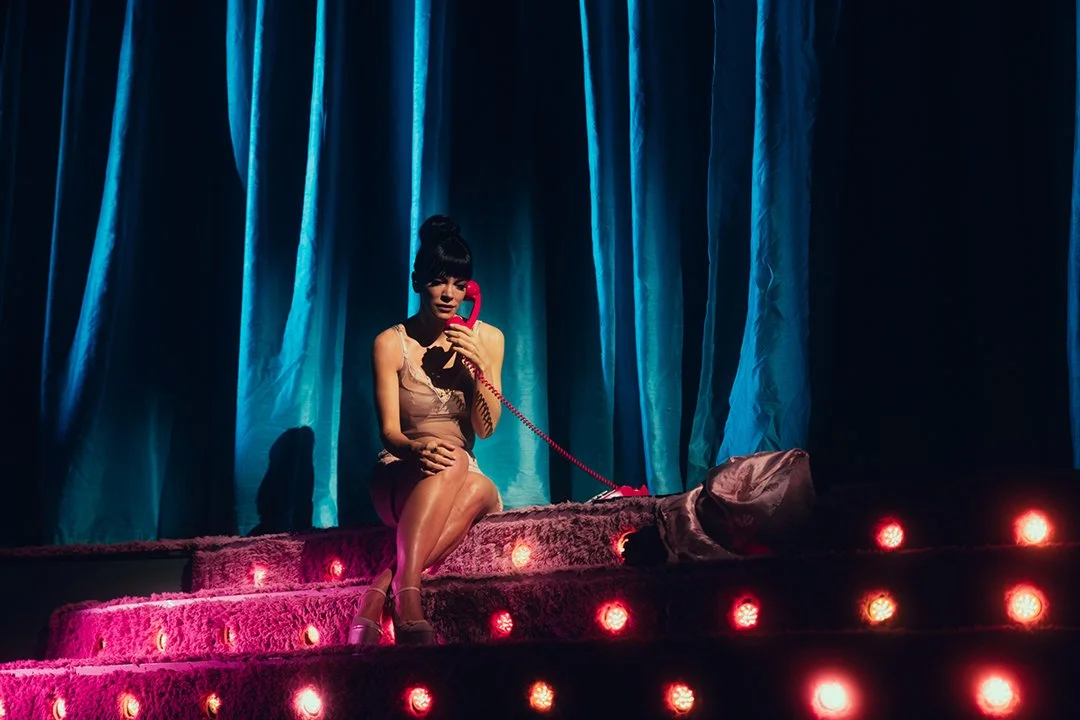
All photos by Christina Bryson (@averagecowgirl). Courtesy of Live Nation.
“Is this a get-up-and-groove kind of situation, or is it more of a stay-low-and-shoulder-dance one?” I asked the Live Nation concierge the minute I walked through the VIP Lounge. She gave me a little smirk and replied earnestly, “You know what, you do what you love, dear!”
Once I got to my section, still looking for a second opinion, I went up to the usher, but her answer was—perhaps decidedly—a bit more vague. She reported—boots on the ground—that the previous night, Toronto’s first date of Lily Allen’s West End Girl Tour, “Some people did, and some people didn’t.” Whatever that was supposed to mean.
You see, this is Massey Hall, one of Canada’s most revered music venues; I’ve only been here for classical music and jazzy concerts, so I was under the impression that the dancing etiquette was a bit more…diplomatic. But, by the time I got to my seat I figured it would be virtually impossible for me to keep still. So I turned to my seatmate and did the most Canadian thing: I apologized—in advance.
“Sorry for the inconvenience, but I think I’m definitely gonna get up to dance.”
Ever since the album's release last October, questions about the stage adaptation started circulating.
There was Allen’s own tumultuous history with live performing. The Glastonbury days, how raucous she was and how turnt up the gigs got; Allen clearly numbed under copious amounts of alcohol. This was her return to the stage—as a singer—in seven years after choosing sobriety.
In her first West End Girl interview with CBS last November, she admitted to terrible nerves. “It’s a real adrenaline rush that you get when you’re onstage, and people are responding to your words. When you come off the stage, that adrenaline is rushing around your body and looking for a place to get out. Drugs and alcohol are really helpful with that, and when you take that out of the equation, I can imagine it will be quite hard.”
There was also the album’s extremely sensitive and intimate nature. I’m not getting into the weeds of it, but let’s just say West End Girl is a painful and detailed account of Allen’s failed second marriage to the actor David Harbour: a domestic drama of betrayal, trauma bonding, sex addiction, non-monogamy, butt plugs and hundreds of Trojans in a Duane Reader bag, letters from mistreated mistresses, the dangers of people pleasing, all while parenting two teenage daughters and dodging a relapse.
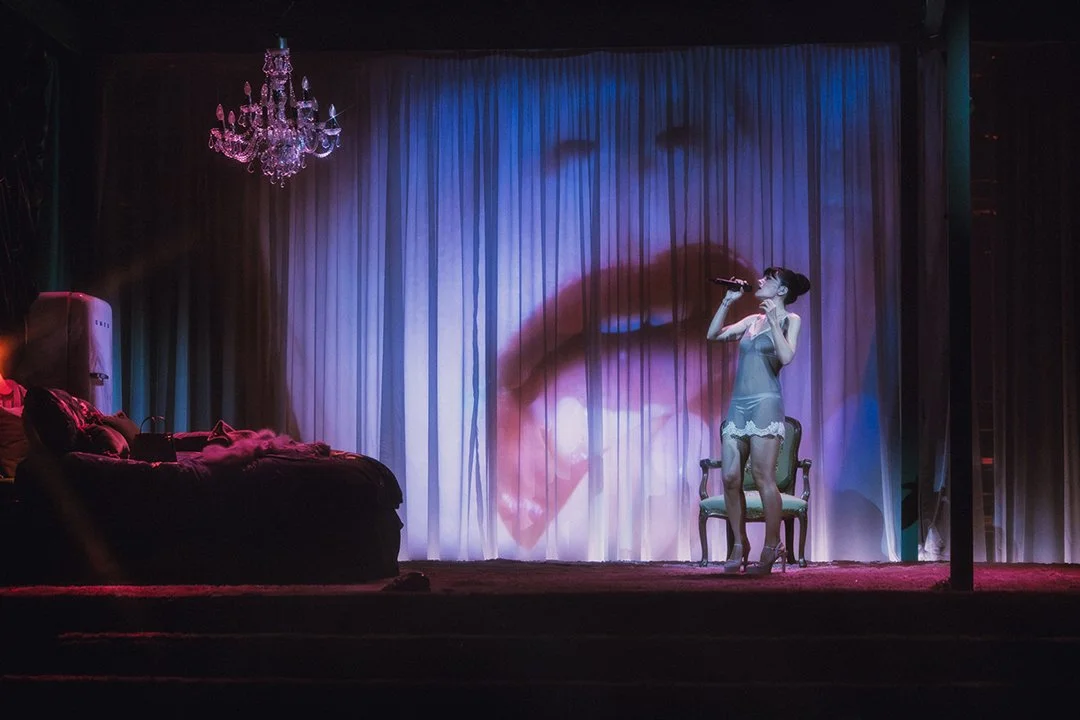
Photo by Christina Bryson (@averagecowgirl)—courtesy of Live Nation.
But this is what Lily does, this is her genius. She carves through the ordinary and sculpts a Brancusi from life’s instances.
Her songs are full-bodied, fluid, and voluptuous, oftentimes rounded but not necessarily; comical, unfazed, fecund, and deeply emotional, sophisticated without compromising a little smudged mascara. Allen makes you look into every crevice the way French New Wave films often do. In West End Girl, she achieves an admirable level of service to her writing.
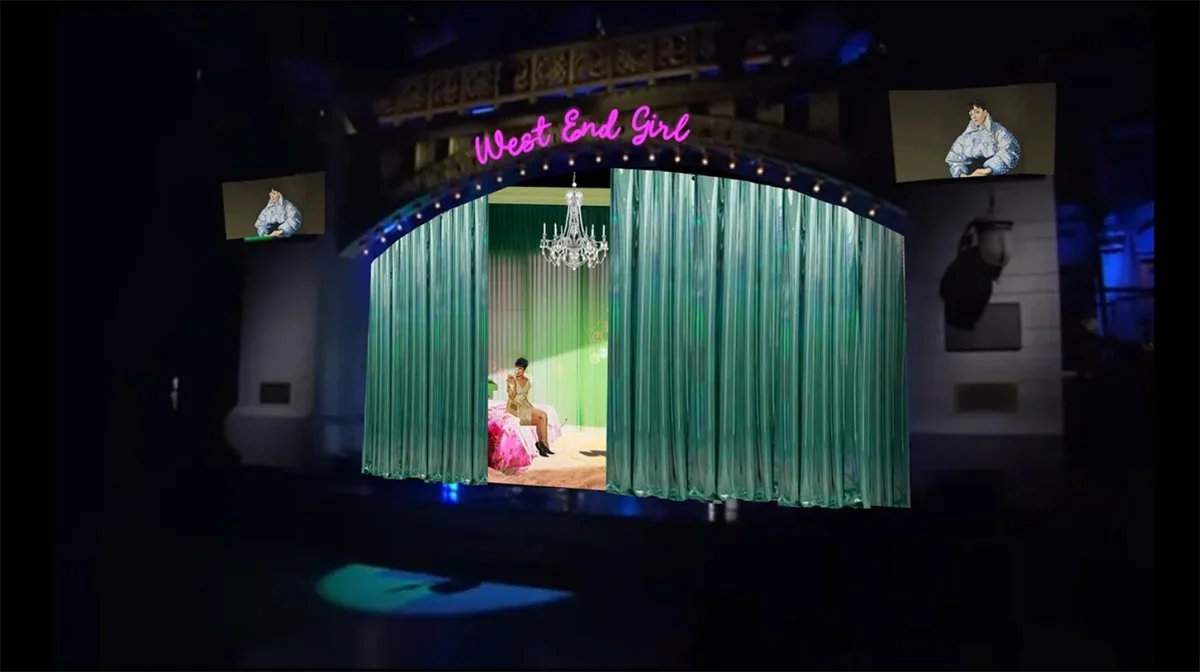
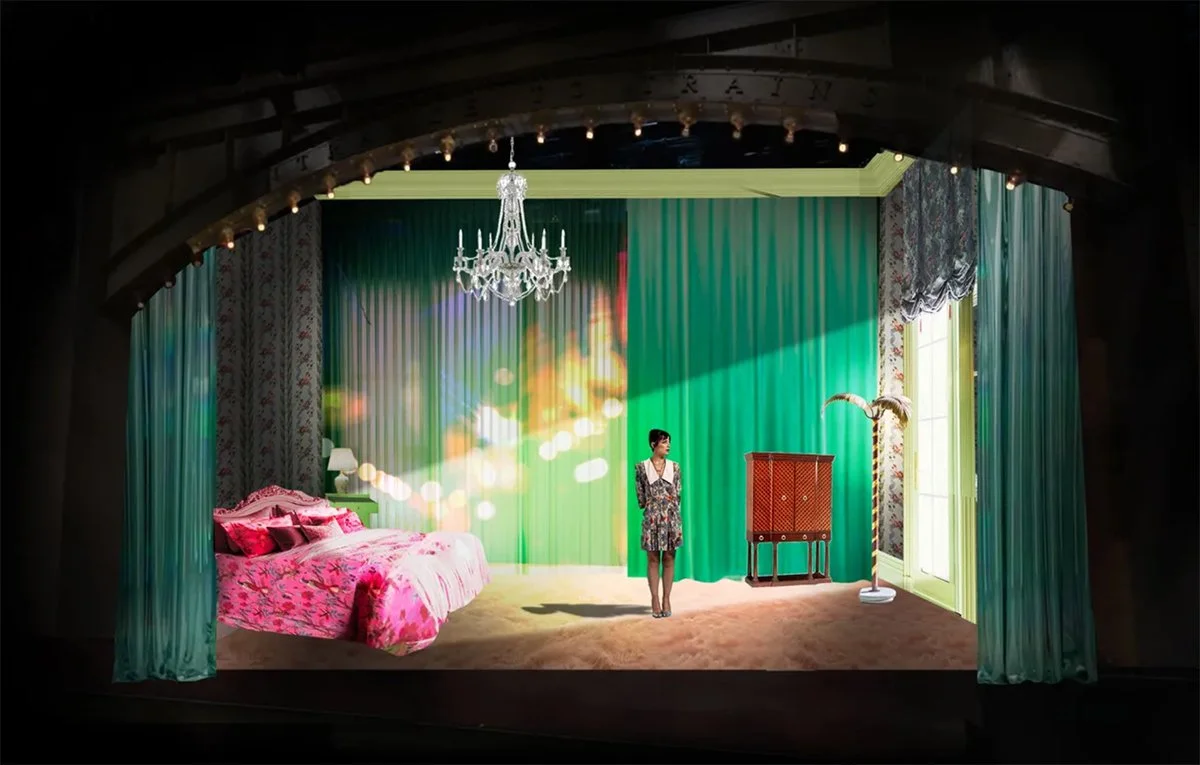
Pre-production renders from her December 2025 SNL performance, the first glimpse at the West End Girl Tour look and feel. (Image credit: Anna Fleischle)
From the moment you walked in, the scene was The Importance of Being Earnest more than pop music concert.
Three empty chairs oversee the room crowd; the lights dim, drinks are spilled, and someone in the back screams, “Fuck David Harbour!”
Three ladies come onstage, cellos in hand—the Dallas Minor Trio. They start playing the classics (“LDN,” “The Fear,” “Fuck You,” “I Could Say,” “Smile,” “Chinese"). Behind them, a screen projects the lyrics; it was the night Massey Hall turned into a karaoke bar. Who would’ve guessed we were to become the opening act? I wrote in my little notepad.
“My job was to figure out how you can create something with intimacy that allows the audience into something painful and personal,” explained Anna Fleishchle in a recent interview—she’s the tour’s Creative Director and has worked with Allen as the set designer in the three West End plays she’s starred in.
“When we see anyone in the media or TV, we feel we know what's going on in their life,” she adds. “I wanted the design to question that.” The result: a domestic space that’s glamorous and Modern in a very Frank Lloyd Wright way. A bed, a scarlet rotary phone, an off-white Smeg refrigerator from which a pair of cartoon female legs erupt at one point in the show, floor lamps and a dramatic crystal chandelier, a beige mini Birkin bag that Allen topples over in a frenzy, a bunch of shit strewn all over the place. Crew members come on and off stage, mid-song, to remove or add props; the space changes as the narrative progresses. Letting go means to grow.
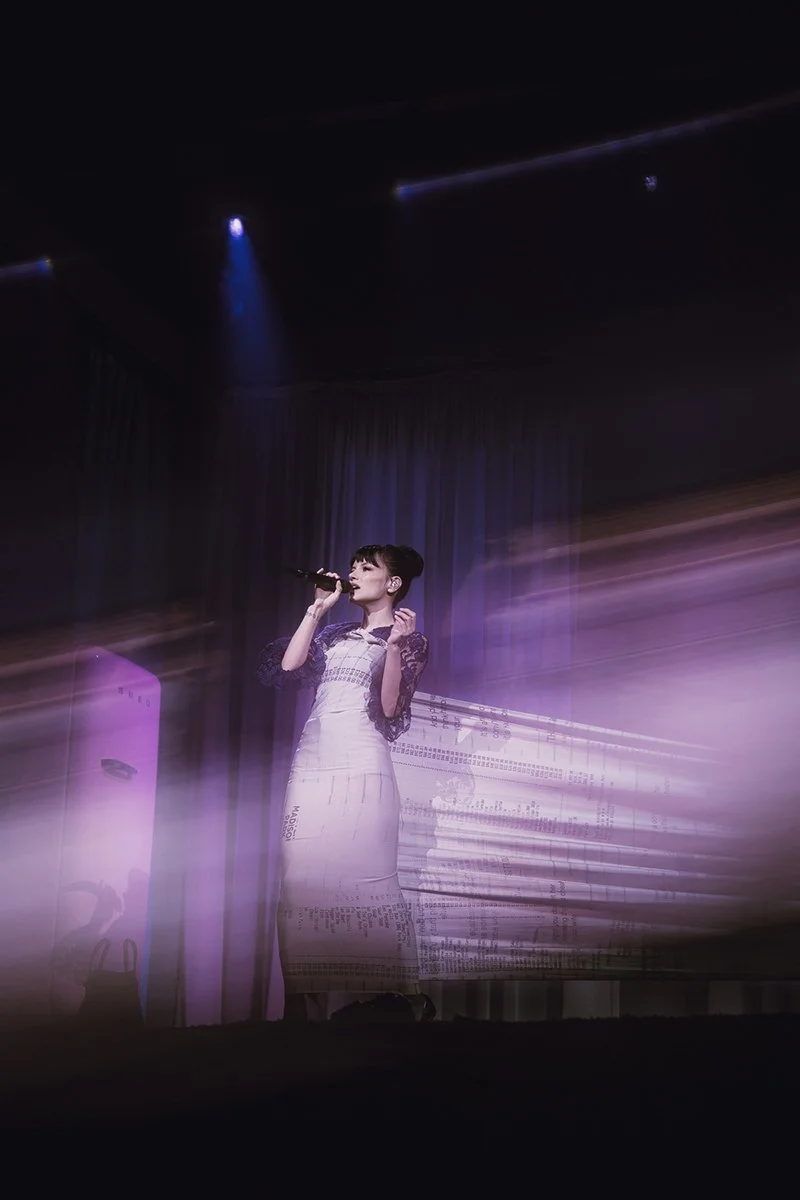
Allen wrapped in a toile printed with the receipts found in Harbour’s bedside drawer. (Photo by Christina Bryson [@averagecowgirl]. Courtesy of Live Nation)
Wardrobe is kept sleek and sexy—cougar sexy.
An array of custom Valentinos (a Jackie O pink suit to open the show; as she starts “Ruminating,” she undresses and reveals a sheer negligee with lace trimmings), Self-Portrait (a hot navy lace bodysuit and a pair of oxblood leather hot pants while belting to “Pussy Palace”), and 16Arlington (a sculptural vinyl column dress with a bullet bra to close the “Fruityloop”), all styled by Interview Magazine’s EIC, Mel Ottenberg—who’d worked with Allen almost 20 years ago.
And while her movements on stage are kept to a minimum, she floats around with narrative purpose. As with many of Allen's songs (“LDN” for example), the magic is found unravelling through the environs.
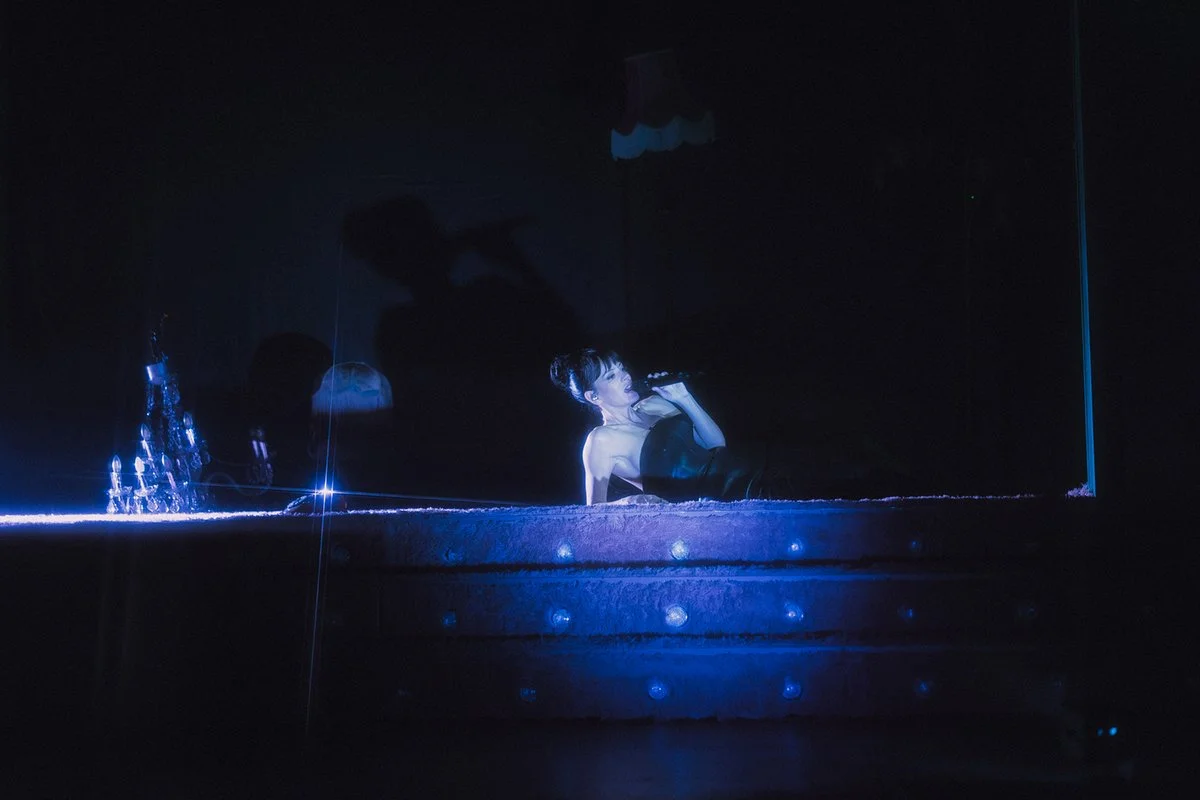
Chandelier down, Allen wears a custom 16Arlington bullet-bra column dress to close the show. (Photo by Christina Bryson [@averagecowgirl]. Courtesy of Live Nation)
Ultimately, this is a show centred around us—but mostly around that gay that kept screaming “Fuck David Harbour”—and the projections and liaisons we create with someone else’s pain. Moreover, it’s a show about the joy that comes after that pain, that juicy reward after choosing oneself, just like the Live Nation lady had told me earlier.
Allen might not impress with elaborate choreography or grandiose pirotechnics, but her distanced approach and theatrics are far from imposing: she allows the audience to lean in more than we already have. In that respect, the West End Girl Tour succeeds at breathing life into the work, the way great musical revivals always do.